
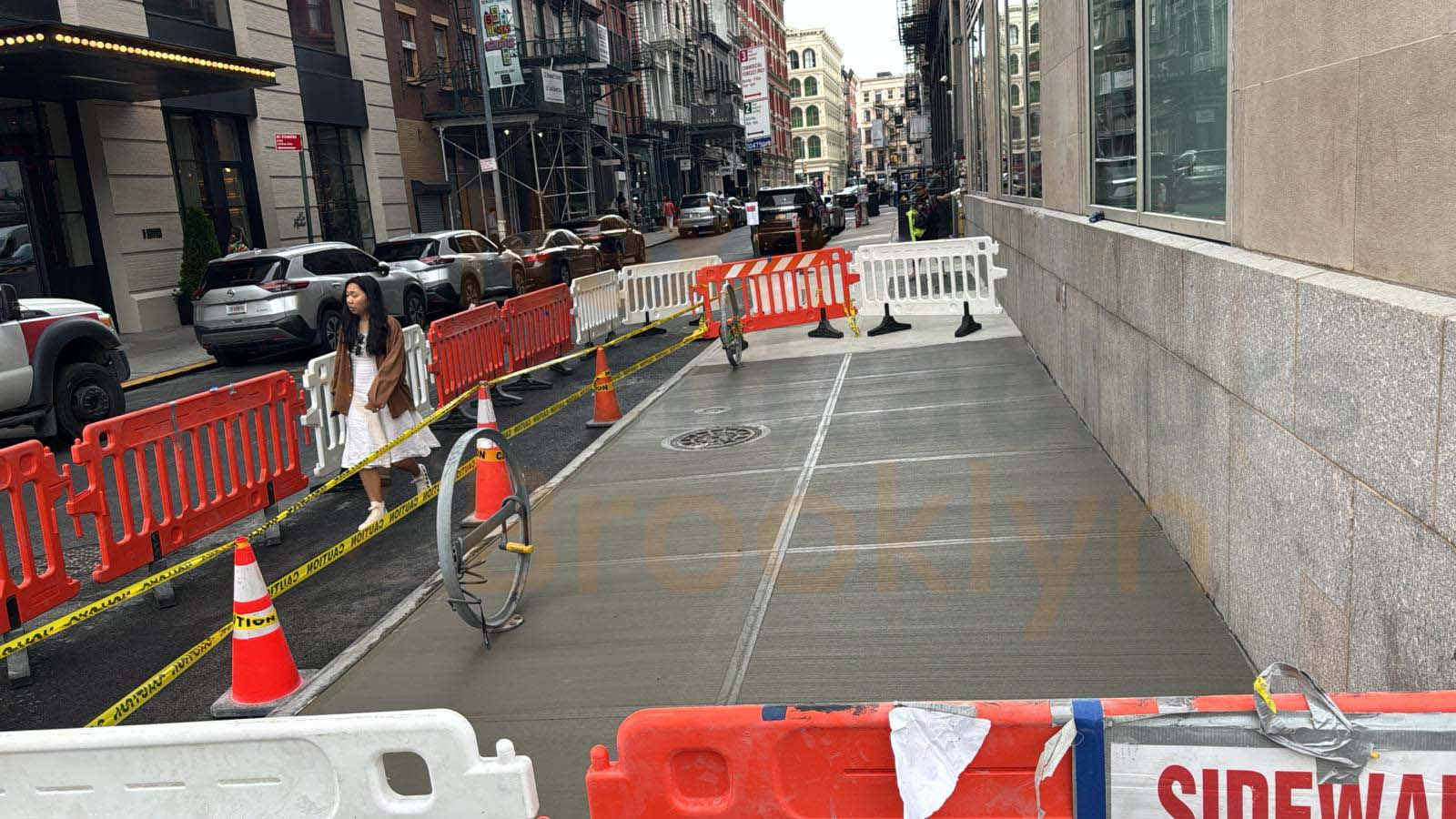
Top Signs Your Bronx Sidewalk Needs Repair
Sidewalks in the Bronx go through a lot: harsh winters, heavy foot traffic, tree roots, and everyday wear from the weather. Over time, all that stress begins to show, often as cracks, uneven slabs, or worn-down spots.
Ignoring these small signs can turn minor problems into big, expensive ones. Whether you’re a homeowner, landlord, or property manager, knowing what to watch for keeps your sidewalk safe and helps you follow city rules.
Below are the most common signs your sidewalk needs repair and why fixing them early is important for your property’s safety and value.
Cracks and Broken Edges
Cracks are the most common warning that your sidewalk needs attention. At first, they may look harmless, but even small cracks can grow quickly. When water gets inside and freezes in winter, it expands, forcing the concrete apart and making the cracks worse.
Cracks also let weeds and roots push through, which breaks the surface even more and makes your sidewalk look neglected.
Broken or crumbling edges are another clear sign of trouble. You’ll often see this near driveways or in busy areas. Damaged edges can stop water from draining properly, causing puddles and erosion.
If your sidewalk edges are starting to flake or crumble, don’t wait. It’s better to fix them early before the damage spreads and turns into a bigger problem.
Uneven Surfaces and Improper Slope
Walk around any Bronx block, and you’ll spot sidewalks that aren’t level. Sometimes one section sticks up higher than another, or one side has sunk a little. Even a half-inch difference can create a serious tripping hazard, especially for children, the elderly, or anyone using a stroller or wheelchair.
Uneven surfaces usually happen because the soil underneath has shifted, tree roots have grown, or the ground has frozen and thawed too many times. When that happens, slabs lift or sink, creating a bumpy and unsafe path.
Sidewalks are designed with a slight slope to help rainwater drain toward the street. If that slope gets off balance, water can collect near your property or on the walkway itself. That standing water can damage the concrete or freeze into slippery ice in winter.
If you see uneven or tilted sections, it’s a good idea to call a sidewalk repair professional. They can inspect the area and suggest whether it needs leveling or a full replacement to make it safe again.
Drainage and Water Issues
After it rains, take a look at your sidewalk. If you see water sitting on the surface or along the edges, that’s a sign something isn’t right. Standing water means the sidewalk isn’t draining properly, or the ground underneath has started to settle unevenly.
Over time, trapped water seeps into tiny cracks, washing away the soil underneath. That weakens the concrete, making it more likely to sink or tilt. During cold weather, the water freezes and expands, causing even more damage.
Fixing drainage issues early helps protect your sidewalk and prevents bigger problems—like cracks in your foundation or icy spots that make walking dangerous.
Fading Color and Surface Wear
Sidewalks don’t just crack—they fade, too. If your concrete looks pale, chalky, or uneven in color, it’s a sign that the top protective layer has worn away.
This layer helps shield the concrete from sunlight, water, and salt. Once it’s gone, the concrete becomes weaker and more likely to crack or chip.
Fading is often an early warning that your sidewalk needs resealing or resurfacing. Resealing adds a fresh protective layer that keeps the concrete strong and makes it look clean again. Regular maintenance not only improves how your sidewalk looks but also adds value to your Bronx property.
Extensive or Widespread Damage
Sometimes, the problem isn’t just a few cracks, but it’s the entire sidewalk. When you see damage spread across multiple sections, that’s a sign the base or foundation underneath has weakened. This often happens after years of moisture exposure, soil movement, or poor drainage.
At this stage, patching one or two slabs won’t solve the issue. The concrete will likely keep breaking, and repairs won’t last long. In such cases, it’s smarter to go for a full sidewalk replacement.
Replacing the sidewalk not only makes your property look better but also ensures it meets NYC DOT (Department of Transportation) safety standards. A well-repaired sidewalk keeps you compliant and reduces the risk of violations or lawsuits.
Why Timely Sidewalk Repair Matters
Many property owners delay repairs because the cracks or uneven spots don’t seem serious. But in the Bronx, that delay can cost you. The NYC Department of Transportation (DOT) requires property owners to maintain sidewalks next to their buildings.
If your sidewalk is unsafe—cracked, broken, or uneven—you can receive a DOT violation notice. Ignoring it might lead to city-ordered repairs or even a property lien. Worse, if someone trips and gets hurt, you could be held responsible.
Fixing sidewalk problems on time protects you from penalties and lawsuits. It also makes your property look cleaner and more inviting, boosting its curb appeal and value.
Most importantly, timely repairs prevent small problems from becoming big ones. A quick fix today can save you hundreds or even thousands of dollars later.
Conclusion
A sidewalk is more than a strip of concrete; it’s part of your home’s first impression and your neighborhood’s safety. Cracks, uneven slabs, or water pooling may not seem like a big deal, but they’re warning signs of larger issues beneath the surface.
By keeping an eye out for these signs and taking quick action, you protect not just your property but also everyone who walks past it. Staying compliant with NYC rules helps you avoid fines and keeps your community safer.
If you’re unsure how bad the damage is, don’t guess; call a licensed Bronx sidewalk repair contractor. They can inspect the area, explain your options, and help you choose the right solution.
A simple inspection today can save you a lot of stress, money, and trouble tomorrow.